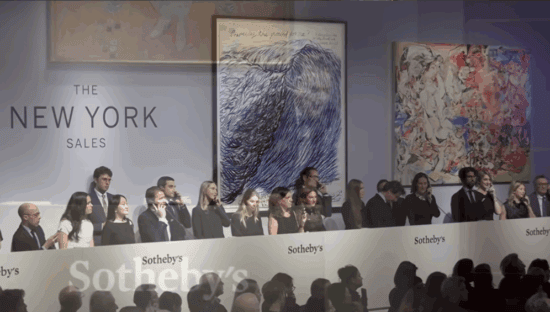
The 2025 art market solidified itself as one of the most dynamic, resilient, and globally competitive years of the decade. With expanding buyer demographics, museum-level scarcity, and a renewed appetite for blue-chip modern and post-war masters, the market continued to reward artworks with strong provenance, rarity, and culturally relevant narratives.
1. Blue-Chip Modern Masters Continue to Lead High-Value Sales
Collectors seeking stability gravitated toward Picasso, Warhol, Rothko, Twombly, Basquiat, and Richter, driving strong results at auction houses and private galleries alike.
- Picasso’s late paintings and unique ceramics experienced notable momentum, thanks to their accessibility and rising museum interest.
- Warhol’s iconic portfolios—especially Dollar Signs, Marilyns, Flowers, and Ads—continued their upward trajectory due to global brand recognition and limited supply.
- Cy Twombly and Mark Rothko remained dominant in the high-end abstraction category, with large-scale works achieving some of the year’s top private sale numbers.
These artists anchored the most expensive modern works sold in 2025, confirming their position as long-term cultural and financial assets.
2. Contemporary Art Thrives: Narrative, Identity & Scale Drive Demand
While blue-chip modernism remains the foundation of the high-end market, contemporary art surged thanks to rising international collectors, museum expansion, and a growing preference for artists with distinct visual languages.
High-value performers in 2025 included:
- Jean-Michel Basquiat, whose rare early works and skull paintings continue to command elite-level prices.
- Yayoi Kusama, driven by global exhibition success and extremely limited primary-market supply.
- Gerhard Richter, especially squeegee abstractions, which remain among the most coveted contemporary works.
- Christopher Wool, Kerry James Marshall, Julie Mehretu, Mark Bradford, and other institutional mainstays saw continued demand for museum-scale pieces.
Collectors prioritized works offering cultural relevance, bold aesthetics, and strong exhibition histories, contributing to some of the highest contemporary sales of the year.
3. Prints & Multiples Market Hits New Popularity Peak
The print market exploded in 2025, becoming a major entry point for new collectors and a strategic asset class for seasoned buyers.
Key categories that saw strong increases in demand and price performance included:
- Warhol’s screenprints (especially Ads, Marilyn, Dollar Sign, Liz, Mao)
- Roy Lichtenstein’s iconic comic, Brushstroke, and Still Life editions
- Keith Haring Pop Shop sets
- Helen Frankenthaler woodcuts
- Frank Stella prints from Imaginary Places, Circuits, and Moby-Dick series
With limited inventory and rising global education about fine-art prints, the category achieved some of its highest historical price points across major artists.
4. Sculpture & Large-Scale Works Gain Momentum
Architectural homes, museum expansions, and large private estates pushed demand for sculpture and outdoor pieces.
Top-performing categories:
- Alexander Calder mobiles and stabiles
- Richard Serra etchings and steel works, gaining renewed relevance
- Modernist bronzes by Henry Moore and Marino Marini
- Contemporary installations and wall-based sculpture, particularly from Latin American and European artists
These works increasingly appeared among the most expensive artworks placed in private collections in 2025.
5. Private Sales Outpace Auction Drama
While auctions remained strong, private sales dominated the ultra-high-end market, especially for:
- Works over $20 million
- Trophy modern masterpieces with museum provenance
- Rare editions or portfolios in exceptional condition
Collectors favored confidentiality, negotiation flexibility, and certainty, leading galleries and advisors to play a larger role in record-setting placements.
6. Digital Platforms & AI Boost Collector Engagement (But Not NFT Prices)
The NFT boom fully cooled, but digital tools flourished:
- AI-driven cataloging and authentication support
- High-resolution viewing rooms
- Verified condition reporting
- Remote global collecting
Collectors now expect white-glove digital service, making online presence more important than ever for galleries.
7. 2025’s Most Expensive Artworks: What They Had in Common
Regardless of the artist, the highest-selling modern and contemporary artworks in 2025 shared core traits:
- Large scale
- Top-tier provenance
- Exhibition or museum history
- Iconic imagery or period
- Fresh-to-market rarity
- Exceptional condition
These factors drove fierce competition and the top sales of the year.
Conclusion: The 2025 Art Market Signals a Strong, Global, and Mature Environment
With rising demand from Asia, the Middle East, Europe, and the U.S., the 2025 art market reaffirmed its strength as a tangible, culturally rooted investment landscape. Blue-chip modernists continued to dominate the year’s most expensive sales, while contemporary artists with powerful narratives saw steady upward movement. Prints, sculpture, and large-scale works also reached new peaks, underscoring the diversity and stability of today’s collecting world.
As we move into 2026, scarcity, provenance, and global visibility will remain the defining forces shaping the trajectory of modern and contemporary art.